AI agents, demystified.
How they work, how to build them, and how to get them from demo to production.
The Explained series, in order
8 episodes, about 86 minutes in all. Each one builds on the one before it.
-
 8 min
Start here
Episode 1: What an AI agent actually is
What actually makes software an AI agent? A plain walk-through of the model, the tools it can call and the loop around them, built up step by step on a small sales-analysis agent. Then how to tell an agent from a workflow with AI inside, and how capable agents really are today.
-
 11 min
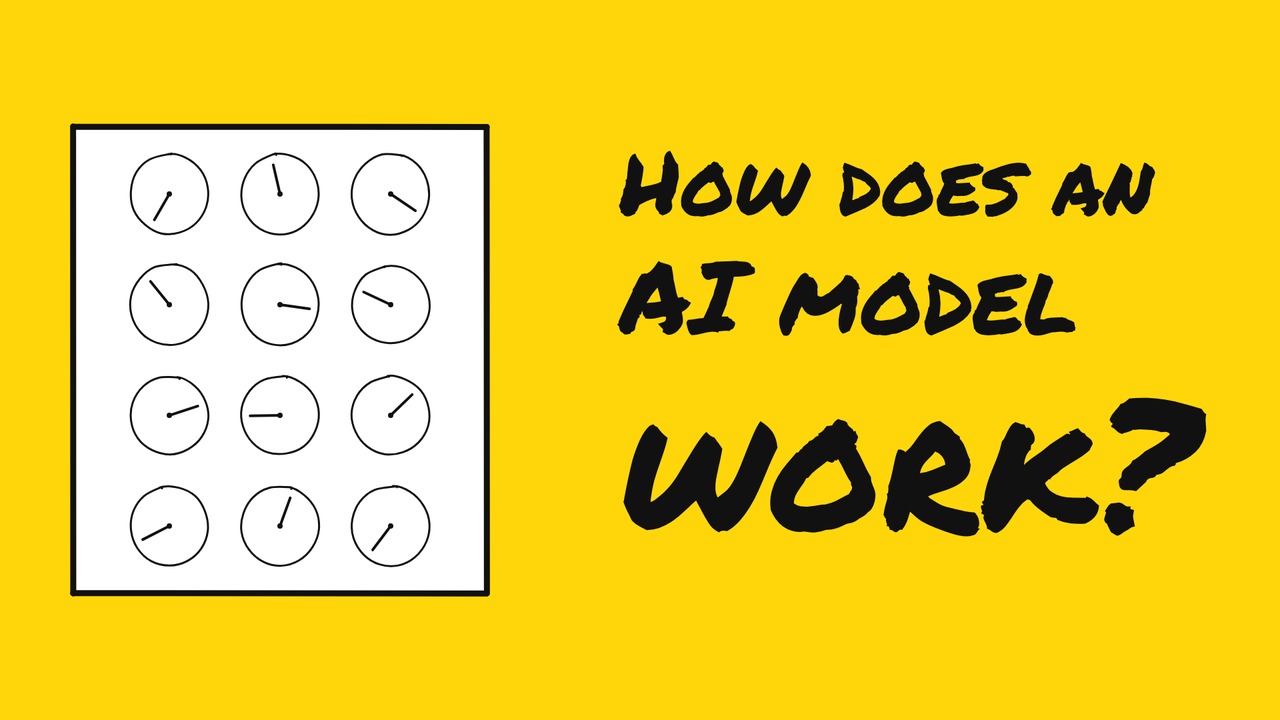
Episode 2: How an AI model works
How a large language model works, from the inside: what a model actually is, how text goes in as tokens, how an answer comes out one token at a time, where its numbers come from in training, and the settings you control, like the system prompt, the context window and temperature. Then what that means when you build with one, including why it makes things up.
-
 11 min
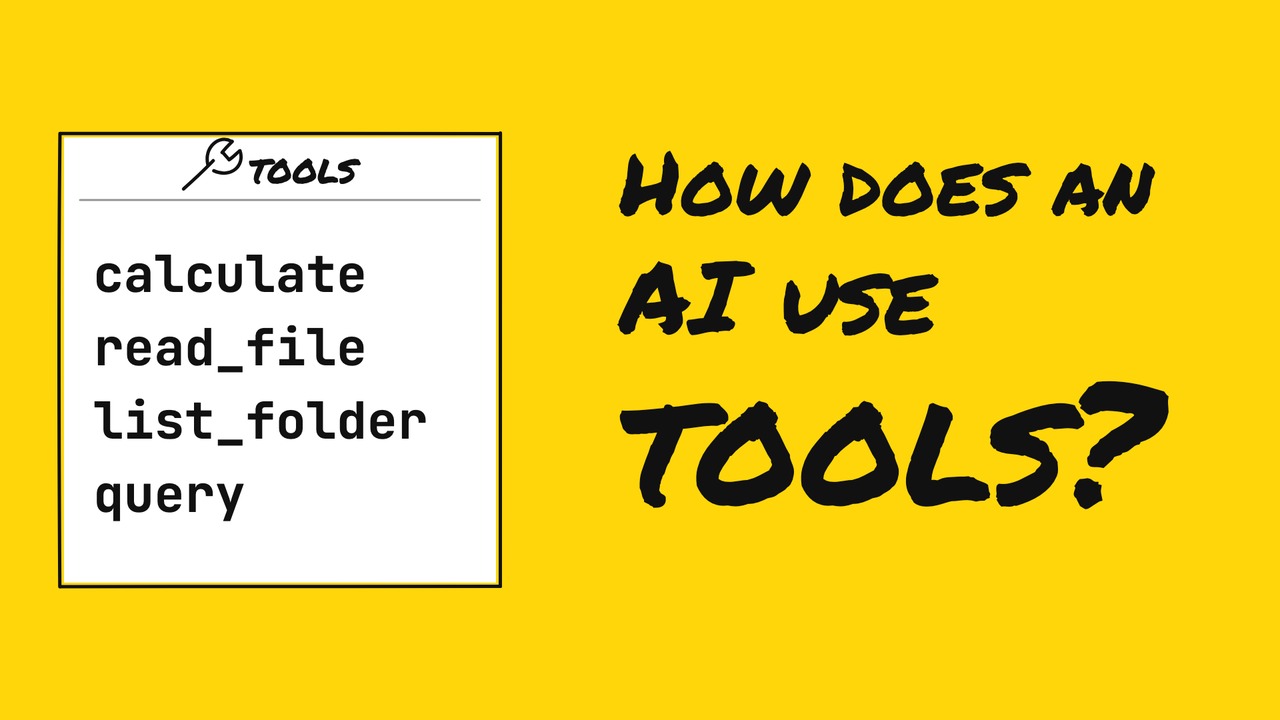
Episode 3: Tools and MCP: how an AI model does anything
How an AI model uses tools when all it can do is write text: what a tool definition is, how tool calling (function calling) really works, what makes a tool easy for a model to use, and MCP, the Model Context Protocol, the standard way to plug tools into any AI app.
-
 11 min
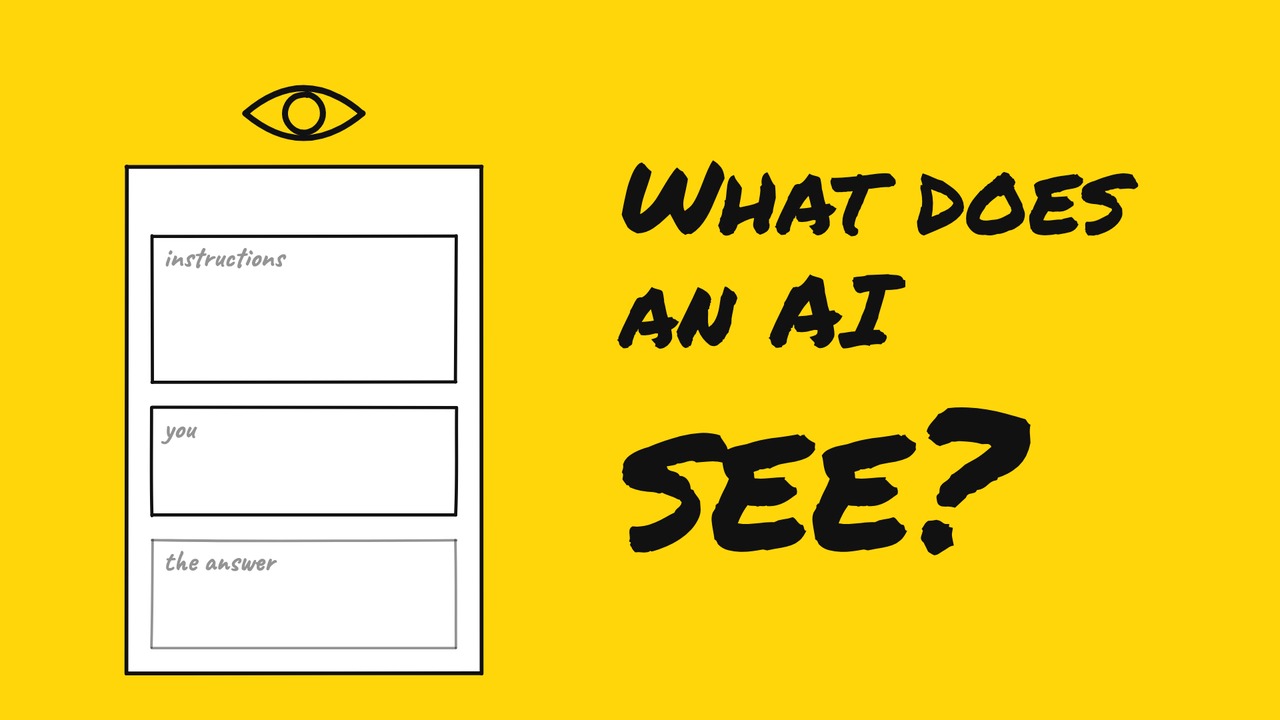
Episode 4: Context: what an AI model actually sees
What an AI model actually sees while it works: the context window, how an agent fills it step by step, why a bigger window doesn't mean better answers (context rot), how to keep it clean, and how RAG (retrieval-augmented generation) finds the right documents, and what happens when it finds the wrong ones.
-
 11 min
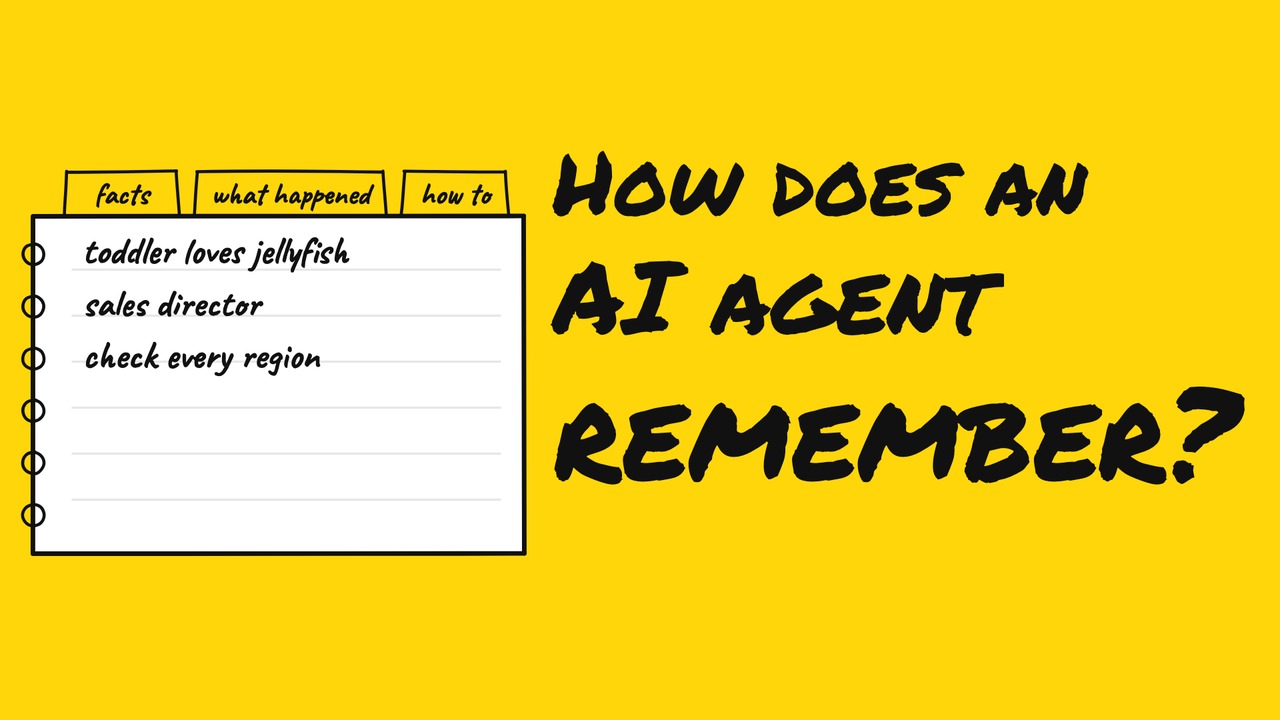
Episode 5: Memory: how AI agents remember
How AI agents and chat apps remember you when the model itself can't: where memory really lives, what's worth saving, the three ways a note comes back, notes for long jobs, and what goes wrong, from stale notes to memory poisoning, plus the background tidy-up the labs now call dreaming.
-
 11 min
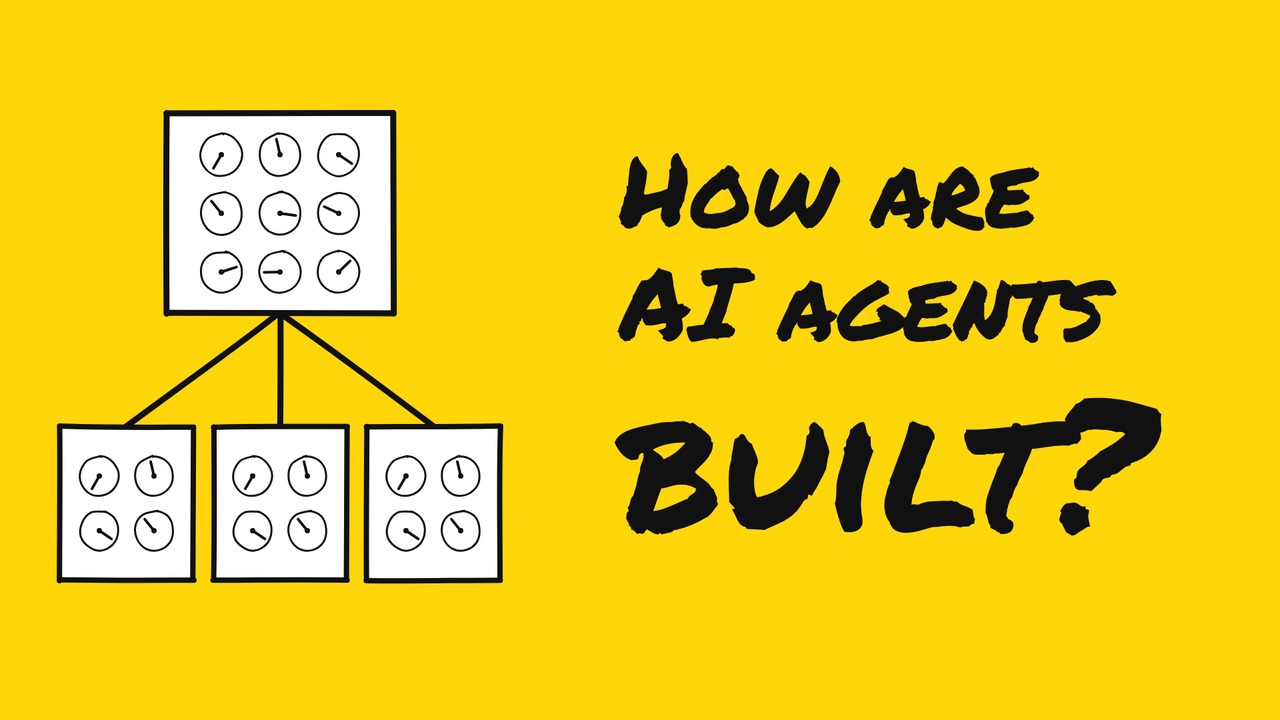
Episode 6: Agent patterns: workflows, planning, self-checks, and when more agents help
The five AI agent workflow patterns, all worked through on one example: prompt chaining, routing, parallelization, orchestrator-workers and evaluator-optimizer. Then planning with ReAct and re-planning, why LLM self-correction needs outside feedback, and what subagents and multi-agent systems are good at and where they go wrong.
-
 11 min
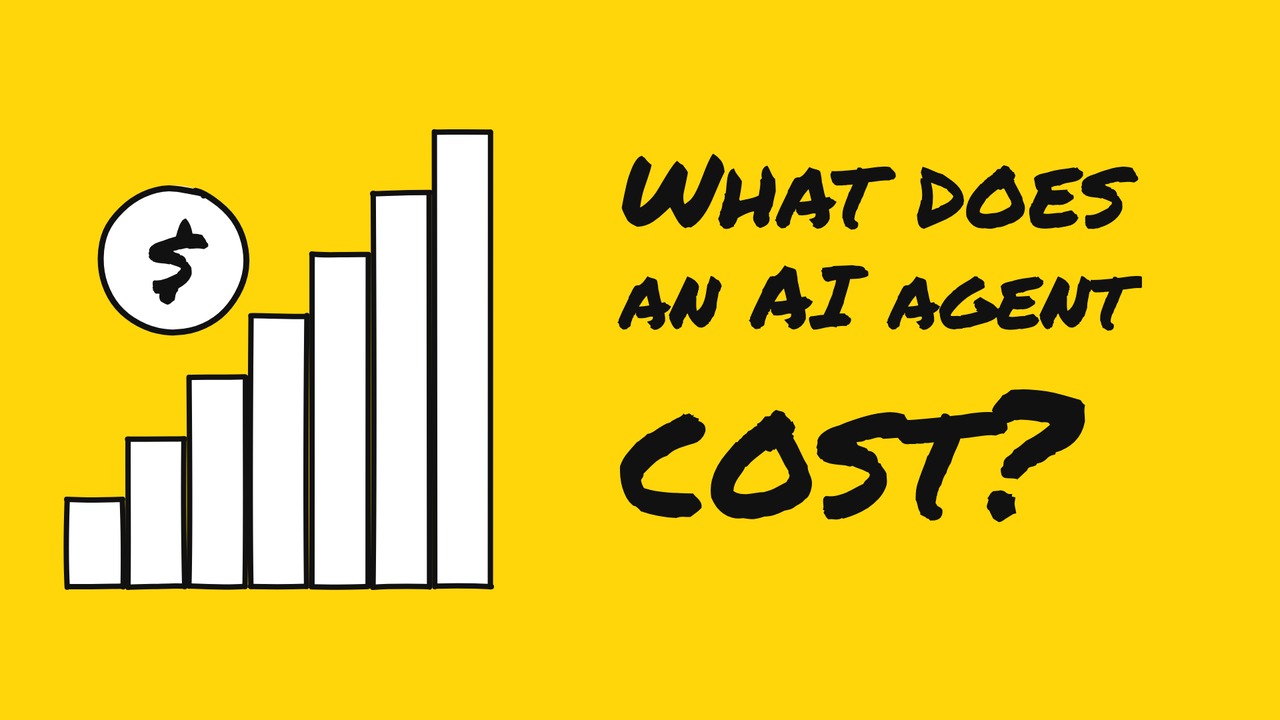
Episode 7: What an AI agent costs: tokens, caching and budgets
How LLM token pricing adds up in an AI agent: input and output tokens, why an agent loop's token use grows quadratically with its steps, and how prompt caching works and what breaks it. Then budgets that cap a run, like step limits and dollar limits, plus smaller models, compaction and the Batch API.
-
 11 min
Newest
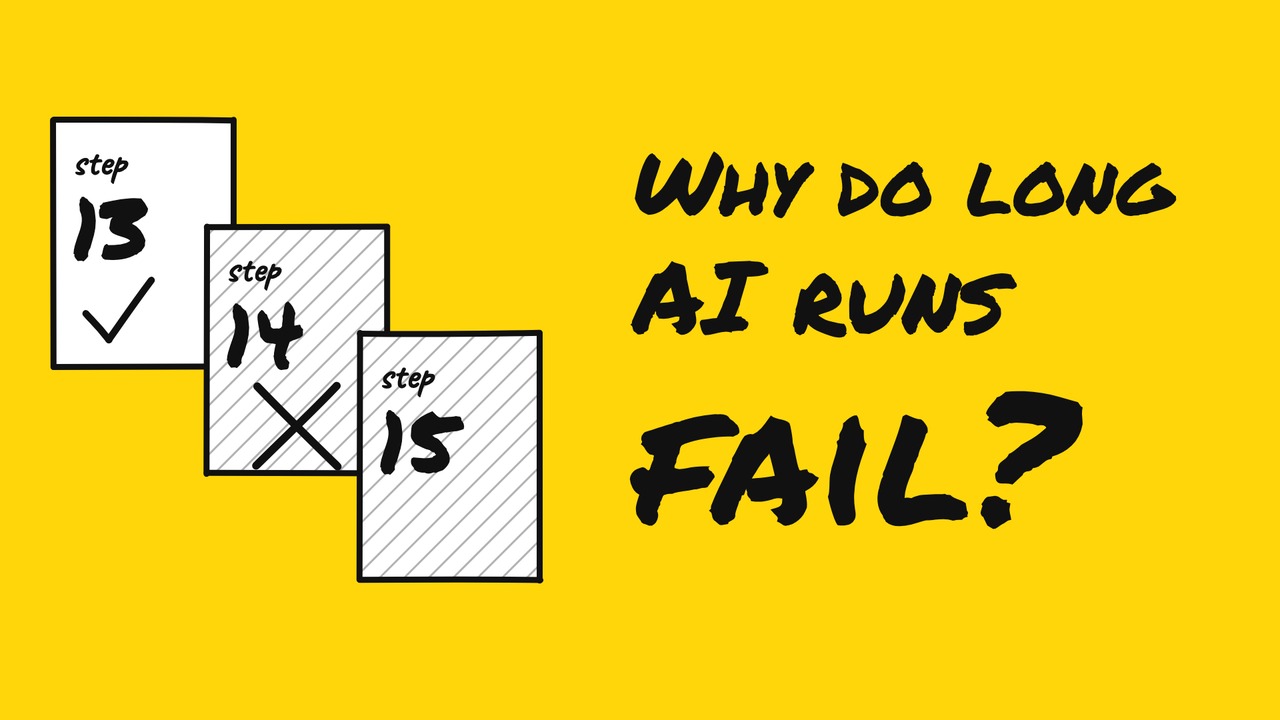
Episode 8: Step fourteen: why long AI agent runs fall apart
How errors build up in long-running AI agents: what context poisoning is, the maths of compounding errors over many steps, and the common failure modes, from hallucinations and step repetition to premature termination. Then what helps: clear tool errors, verification steps, small tasks, handoffs, retry and step limits, and human review.
-
Coming next
Evals: how you know an AI agent works
In the works. Subscribe on YouTube and it will find you.
About the channel
AI agents, demystified: how they work, how to build them, and how to get them from demo to production.
I'm Kiran, a senior AI engineer in Australia. Agents are easy to demo and hard to deploy. This channel is about closing that gap, in plain English, with the working shown.
What you'll find here:
- How agents work: loops, tools, memory, context and harnesses
- How to build them: MCP, skills, multi-agent patterns and evals
- Getting to production: integration, security, reliability and cost
- Field notes: what breaks when agents meet real users, data and systems
For engineers, forward deployed engineers, tech leads and decision-makers who want agents explained precisely, without the hype.
Views are my own.